


News
Benchtop Laser Markers: security

Benchtop laser markers have become increasingly popular in recent years due to their versatility and ease of use. However, not all products on the market meet the safety standards required by Italian regulations.
Laserable materials: engraving plates, tags and medals
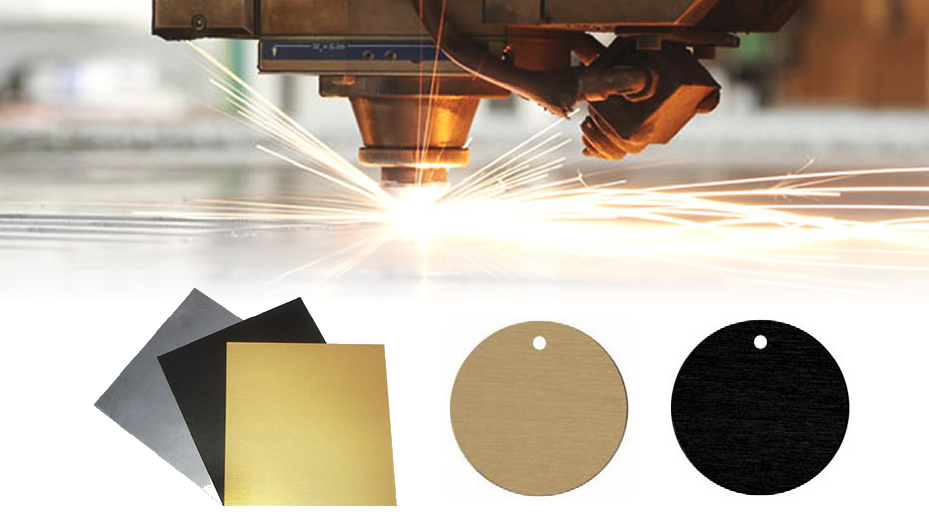
Laser engraving and cutting are essential technologies in various industries for marking, customization, and component manufacturing. Each material requires specific laser settings to optimize the results. Below is an overview of the most common materials used for laser engraving and cutting on plastic, aluminum, and other types of metal.
Two new inkjet printers for industrial coding applications
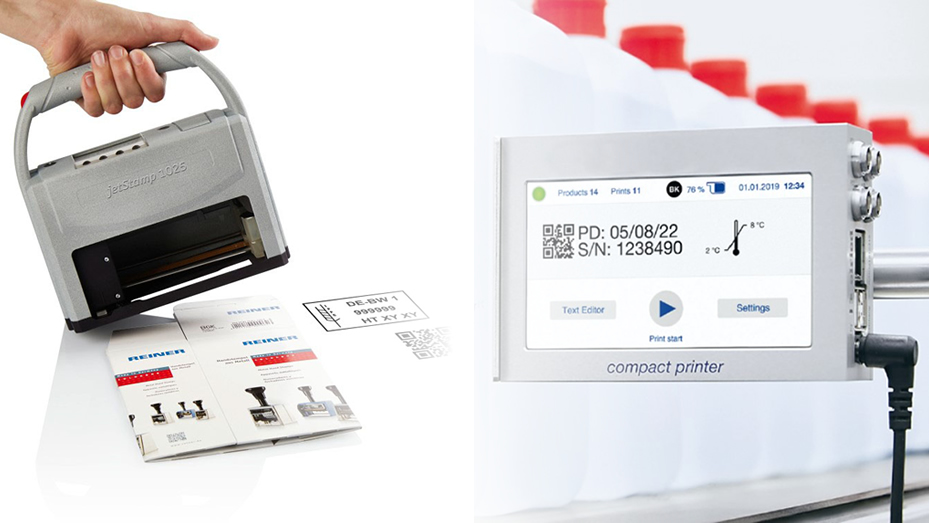
We offer two new inkjet printers that are ideal for numerous applications in industrial marking.
The Primo IFL model is suitable for printing logos, alphanumeric text, date/time, batch/expiration numbers, and 1D and 2D barcodes. This Inline 12 inkjet marker stands out for its exceptional connectivity capabilities, a novelty in the landscape of high-resolution industrial inkjet printers (600 dpi): it allows data input via precise touch screen, wireless keyboard, tablet, smartphone, or PC.
Difference between Industrial Lasers and Lasers for Hobbyists
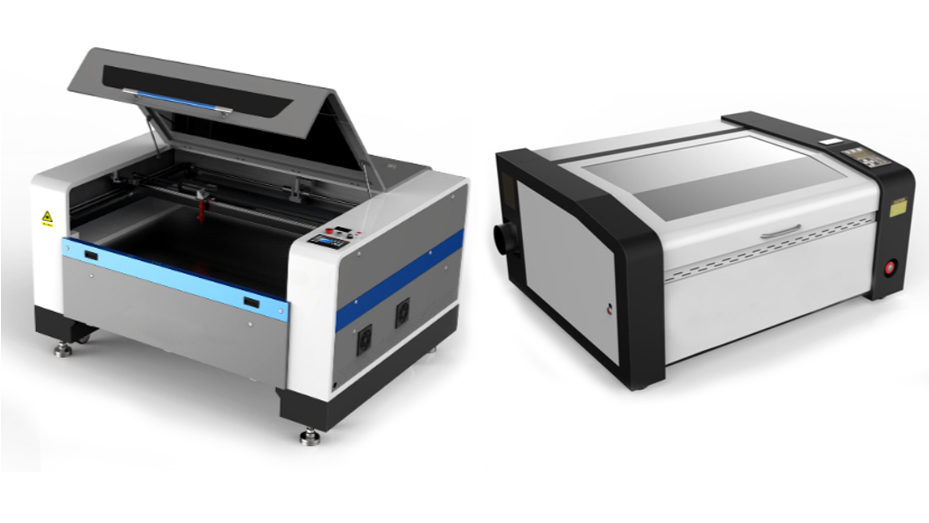
The laser markers are versatile tools used in various sectors, from industrial production to craftsmanship. However, there are significant differences between industrial lasers and hobbyist lasers, both in terms of capabilities and applications.
Laser engraving of wood: cutting and materials

Laser engraving on wood is a technique that allows for precise and detailed engraving of patterns or text. This method uses a laser beam to vaporize the wood in the desired areas, creating an engraving. It is a particularly effective and durable process because it works with high precision and ensures long-lasting results. For these reasons, it is highly valued in both crafts and industry.
Laser Marking and Laser Engraving: differences and similarities
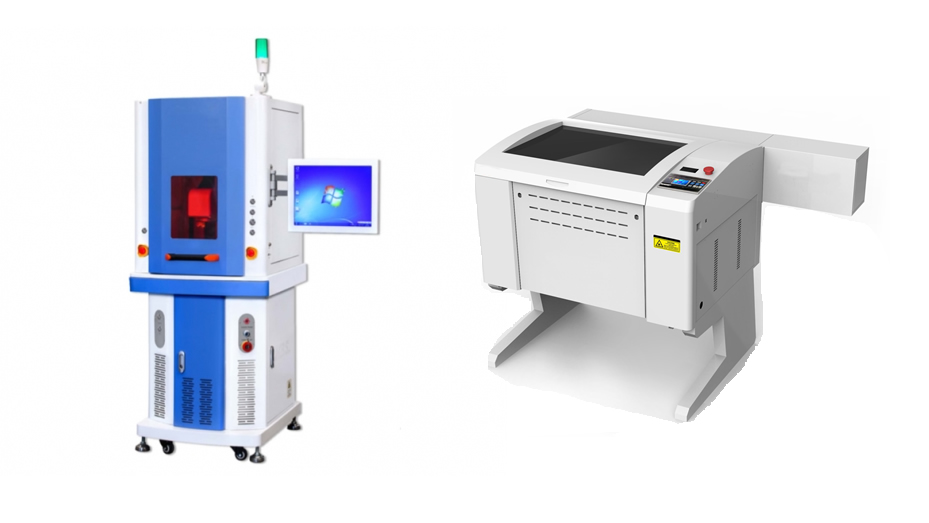
Laser marking and laser engraving are often perceived as synonyms, but they are two different processes. Let's explore the differences and similarities together.
Both processes are used to imprint a permanent mark on a surface using a laser beam.
The role of portable markers in food traceability
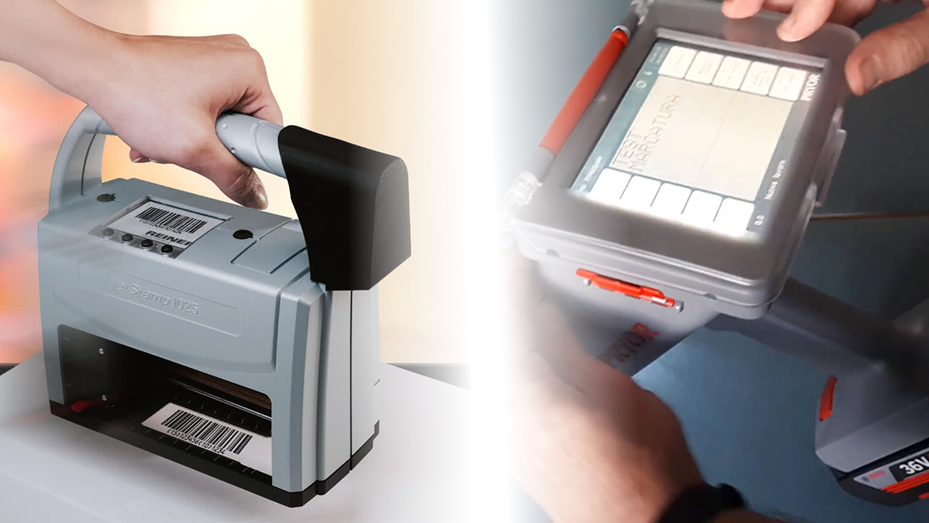
In the complex and globalized world of the food industry, the traceability of goods and packaging has become essential to ensure product quality, food safety, and regulatory compliance. This practice, made possible through the use of portable markers and others, improves operational efficiency, promotes environmental sustainability, and helps protect consumers from potential health risks.
Laser CO2 and fiber

Laser marking has become an increasingly widespread technology in many industrial sectors thanks to its ability to engrave and print permanently on a wide range of materials. Both CO2 laser markers and fiber laser markers use the principle of lasers to achieve high-quality results: if you're wondering what materials a laser can cut, how to engrave metal with a laser, or have other questions, read this article to delve into the differences and applications for each type of marking.
Laser marking and Inkjet

Laser marking is suitable for applications requiring precision, durability, and versatility across a wide range of materials, while inkjet marking is more suitable for applications on porous surfaces and for printing text and barcodes. The choice between the two depends on the specific requirements. Let's summarize the five main differences in a table.
UV resistant laser materials: visual communication solutions

Plastics are perfectly suited for laser marking and engraving. The laser sources we provide for this purpose allow for marking on many laserable materials, ensuring a permanent result with excellent quality and finish.
Dot peen marking systems

Micropercussion marking is an advanced and reliable technology for permanent product labeling. If you are looking for a precise, durable, and long-lasting marking method, this article will highlight the advantages of this technology to help your business.
Laser marking on plastic surfaces

We provide CO2 and Fiber Laser engraving machines: there are many plastic and thermoplastic materials that can be marked with laser technology. It should be noted that the marking result depends on the type of polymer, the additives, the type of laser used, and the wavelength employed.
At Viscom 2023 in Milan with our machine

We are pleased to announce that once again this year we participated in the Viscom fair dedicated to visual communication, held in Milan at the Fiera Milano City exhibition center in Rho Fiera from October 4th to 6th. At our stand B12 in hall 12, we presented the Reiner inkjet printer and the Pryor micro-percussion marker, two portable solutions useful for traceability, capable of marking barcodes, QR codes, and variable data directly on packaging.
The CO2 laser marker: advantages and applications

How Laser Cutting Markers Work
CO2 laser markers operate through a material melting process using the laser, which emits a highly concentrated light that can be used to cut, engrave, and carve a wide range of materials.
Villa & Figlio è distributore per l’Italia di Pryor Marking

We are pleased to announce that Villa & Figlio is the official distributor of Pryor Marking in Italy, a leading brand in marking, product identification, and industrial traceability.
Pryor Marking is a global company that designs and manufactures the world's most comprehensive range of manual and automated marking machines: high-quality, durable products that are ideal for industrial traceability and coding.